
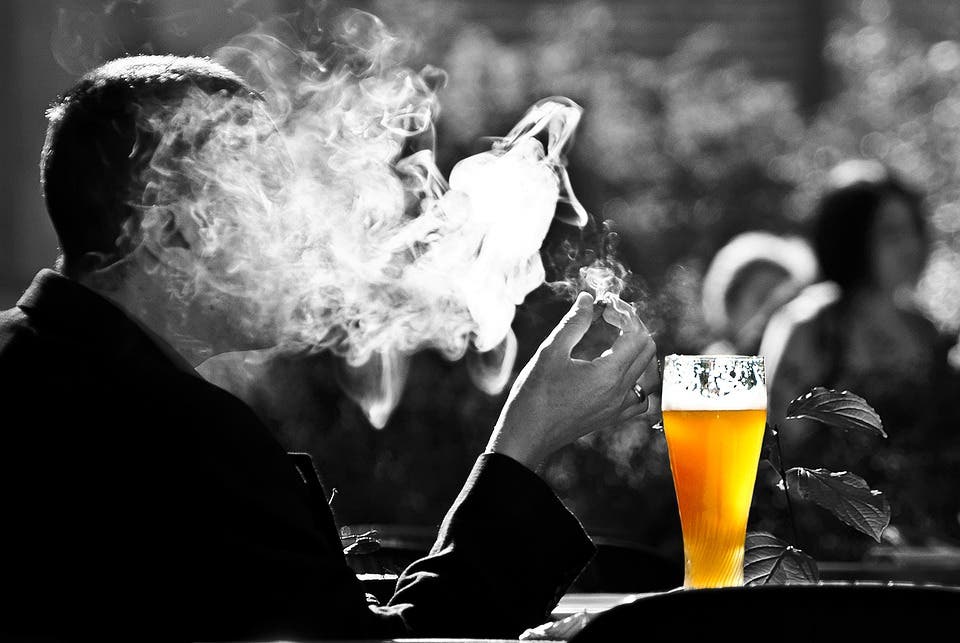
The Connection Between Tobacco Culture and Beverage Consumption
Introduction: A Social and Cultural Relationship
Tobacco and beverages have long been connected in many cultures around the world. Whether in social gatherings, nightlife settings, or casual meetups, these two consumer products often appear together. While they belong to different industries, their usage patterns frequently overlap due to shared cultural, social, and behavioral factors.
Understanding this connection helps explain how lifestyle habits form and evolve over time, especially in urban and social environments.
Social Settings Where Tobacco and Beverages Meet
One of the most common links between tobacco and beverages is their presence in social environments. Bars, cafés, restaurants, and private gatherings often include both smoking and drinking as part of the experience.
For example, alcoholic beverages are commonly consumed in nightlife settings where smoking may also be present in designated areas. Similarly, coffee culture in some regions has historically been associated with cigarette smoking, especially in outdoor cafés and social lounges.
These shared environments create a social rhythm where people associate relaxation, conversation, and entertainment with both habits.
Cultural Traditions and Historical Influence
In many cultures, tobacco and beverages have deep historical roots. Tobacco use has been part of traditional ceremonies and rituals in some societies, while beverages like tea, coffee, and alcohol have long been central to hospitality and celebration.
Over time, these practices evolved from cultural traditions into modern lifestyle habits. In some regions, offering drinks and tobacco products to guests was once considered a sign of hospitality and respect.
Although modern health awareness has changed many of these practices, the cultural association between the two remains visible in certain communities.
Lifestyle and Consumer Behavior
From a behavioral perspective, tobacco and beverage consumption are often linked to relaxation and social bonding. People may associate smoking or drinking with unwinding after work, socializing with friends, or enjoying entertainment.
However, modern consumer behavior is shifting. Health awareness campaigns and lifestyle changes have encouraged people to reduce tobacco use and choose healthier beverage alternatives such as water, herbal tea, and low-sugar drinks.
Despite this shift, the psychological connection between these products and social enjoyment still influences consumer choices in many markets.
Industry Adaptation and Market Trends
Both tobacco and beverage industries have adapted to changing consumer expectations. Tobacco companies have introduced alternative products such as reduced-risk nicotine devices, while beverage companies have expanded into healthier and functional drink categories.
There is also a growing emphasis on responsible consumption. Governments and organizations promote awareness about moderation in alcohol use and discourage smoking in public spaces. These regulations are reshaping how both industries operate and market their products.
The Role of Modern Social Spaces
Modern cafés, lounges, and entertainment venues are redefining the relationship between tobacco and beverages. Many places now focus on creating smoke-free environments while still offering diverse drink options.
At the same time, some specialized venues continue to cater to traditional preferences, maintaining the cultural link between smoking and drinking in controlled settings.
This balance reflects the ongoing transition between tradition and modern health-focused lifestyles.
Conclusion: A Changing but Connected Relationship
The connection between tobacco and beverage consumption is rooted in history, culture, and social behavior. While modern trends are tobacconbeverage.com pushing toward healthier choices and stricter regulations, the association between the two remains present in many social contexts.
As society continues to evolve, both industries are adapting—reflecting changing values while still maintaining their place in global consumer culture.