
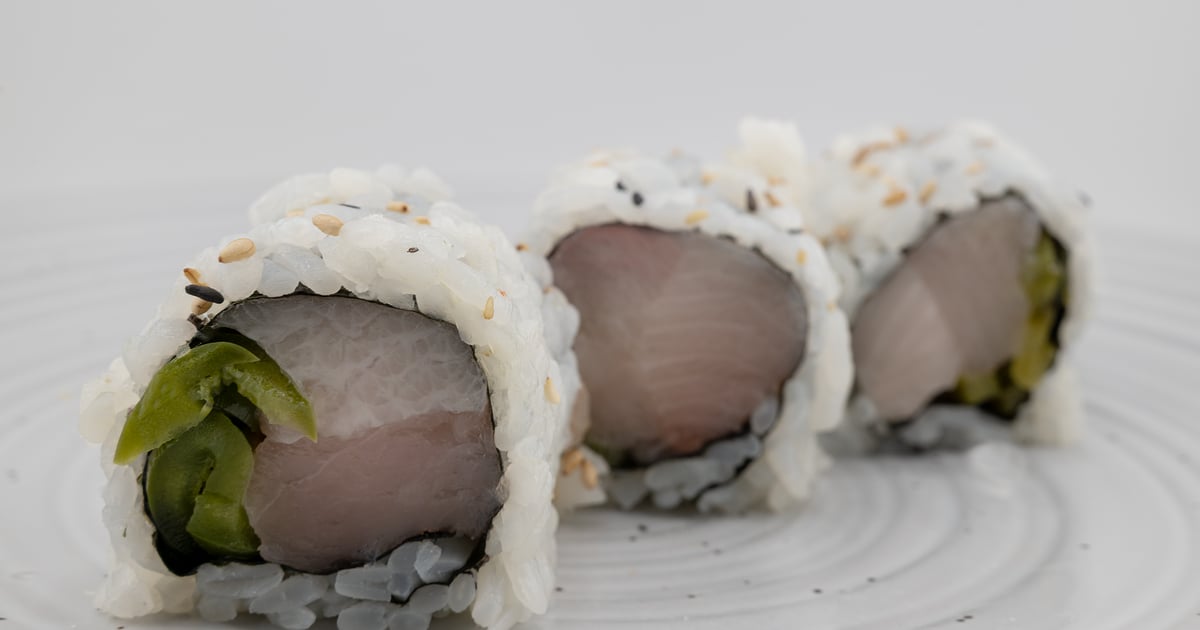
The Art of Yellowtail Jalapeño: How a Modern Masterpiece Changed Japanese Cuisine
Yellowtail Jalapeño is one of the most celebrated dishes in modern culinary history. Created by legendary chef Nobu Matsuhisa, this elegant appetizer revolutionized traditional Japanese dining by blending classic sushi techniques with vibrant Peruvian ingredients Nobu Restaurants. Today, it stands as a global culinary icon, loved for its striking presentation and perfectly balanced flavor profile. Understanding the origin, flavors, and preparation of this dish reveals why a simple plate of raw fish remains a luxury restaurant staple worldwide.
The Story Behind the Icon
Chef Nobu Matsuhisa changed the culinary world when he opened his first restaurants in the late 20th century. During his earlier years working as a young chef in Peru, he found himself without access to traditional Japanese ingredients. This forced him to improvise by using local South American staples like citrus fruits, cilantro, and hot chili peppers.
The invention of Yellowtail Jalapeño happened by accident at his Los Angeles restaurant. After a long shift, a guest asked for a dish using leftovers. Chef Nobu sliced some fresh yellowtail, added a splash of yuzu juice, and topped it with a fresh slice of green pepper. The guest loved it, and a masterpiece was born. This dish bridged the gap between Eastern and Western palates, paving the way for the global fusion food movement.
Anatomy of Flavor: A Perfect Balance
The genius of Yellowtail Jalapeño lies in its absolute simplicity. It uses only a few premium ingredients, but each plays a vital role in creating a harmonious bite.
- The Yellowtail (Hamachi): This premium fish serves as the rich base of the dish. It is prized for its high fat content, giving it a buttery texture that literally melts on the tongue.
- The Yuzu Citrus: Traditional Japanese sashimi is served with soy sauce and pungent wasabi. This dish replaces wasabi with yuzu juice, a tart Asian citrus fruit that mimics a cross between a grapefruit and a lime. The sharp acid cuts through the oily richness of the fish.
- The Jalapeño Pepper: A single, razor-thin slice of fresh green jalapeño sits on top of each piece of fish. It adds a crisp, clean crunch and a sharp, controlled punch of heat.
- The Aromatics: A hidden dab of garlic puree sits under the pepper, adding depth. Finally, a small bunch of fresh cilantro leaves in the center provides an earthy, herbal finish.
Bringing the Restaurant Experience Home
While it looks like high art on a plate, home chefs can easily recreate this restaurant classic in under fifteen minutes. The secret lies entirely in sourcing the highest quality ingredients.
First, you must visit a trusted local fishmonger or a specialized Japanese market. Always request sashimi-grade yellowtail fillet, ensuring it is safe for raw consumption. To make slicing easier, place the fish in the freezer for twenty minutes to firm up. Using a very sharp knife, slice the fish at a 45-degree angle into six uniform, thin pieces. Arrange them flat in a single layer on a cold serving plate.
Next, place a tiny, pinhead-sized dot of garlic puree on each piece of fish. Top each dot with one perfectly round, thin slice of fresh jalapeño. If you prefer a milder dish, gently remove the white seeds from the pepper rings first. Place a small bunch of fresh cilantro leaves directly in the center of your plate.
For the final oishii sushi touch, mix equal parts premium soy sauce and fresh yuzu juice. Right before you serve the dish, carefully pour this citrus sauce around the perimeter of the plate. Never pour the liquid over the top of the peppers, as this washes away the crisp texture and neat presentation.
A Timeless Classic
Yellowtail Jalapeño proves that great cooking does not require complex techniques or dozens of ingredients. By focusing on fresh fish, bright acid, and clean heat, this dish delivers an unforgettable dining experience. It continues to inspire chefs globally, securing its place in culinary history.